Deck Staining vs. Sealing: What’s the Difference?
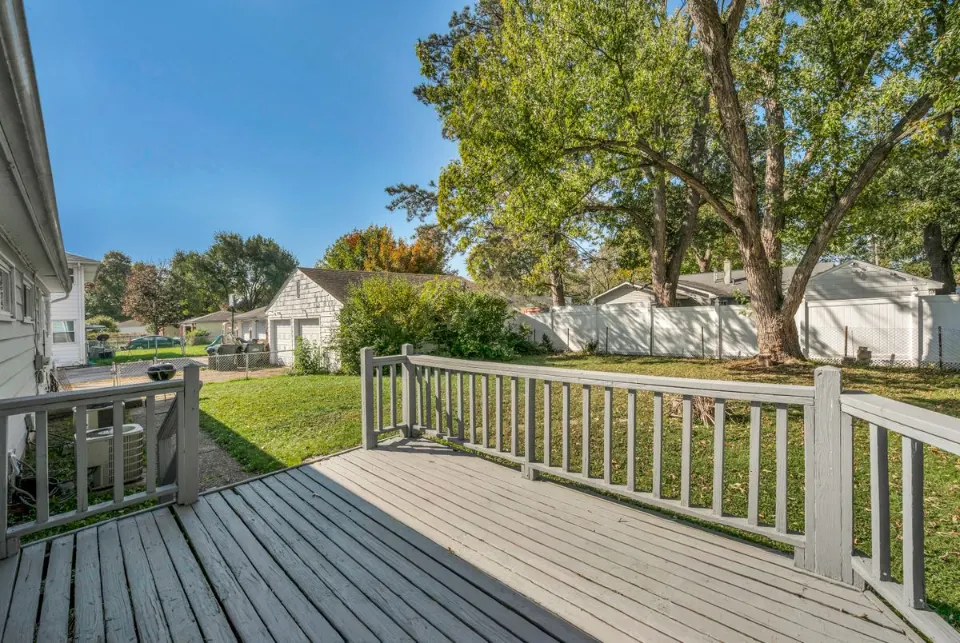
A sealer mainly repels water; a stain adds pigment that also blocks UV. For most Quebec decks, a semi-transparent or solid stain protects better and lasts longer than a clear sealer.
Why decks need protection
Outdoor wood faces strong summer sun, rain, snow and freeze-thaw cycles. UV light breaks down the surface fibres and turns wood grey, and moisture causes cracking, splitting and eventually rot. A good coating slows all of this down.
Clear deck sealer
Clear sealers soak into the wood and repel water while keeping the natural colour at first. They offer little UV protection, so the wood still greys and needs recoating more often, usually every year or two.
Semi-transparent stain
Semi-transparent stains contain some pigment: they add colour and block more UV while still showing the grain. They are a good balance for decks in good condition.
Solid stain
Solid stains look closer to paint, hide the grain and even out older or repaired boards. They give the strongest UV protection, which makes them ideal for older decks and fences.
Side-by-side comparison
| Clear sealer | Semi-transparent | Solid stain | |
|---|---|---|---|
| Grain visible | Yes | Yes | No |
| UV protection | Low | Good | Best |
| Hides old boards | No | Partly | Yes |
| Best for | Newer wood | Wood in good shape | Older wood |
How to tell when your deck needs a new coat
Sprinkle water on the boards. If it beads, the coating still works. If it soaks in and darkens the wood, it is time to clean and recoat. Horizontal deck boards wear out faster than fences and railings.
Preparation makes the difference
Whatever product you choose, the wood must be clean and dry, with loose finish and mildew removed. Our deck and fence staining service includes all of this preparation.